Politics & Government
Sales Tax for Amazon Purchases Begins in 2 Weeks
The online retailer will levy state tax on mail-order purchases beginning Sept. 15. Depending on where you live, that could add more than seven percent to the cost of each purchase.


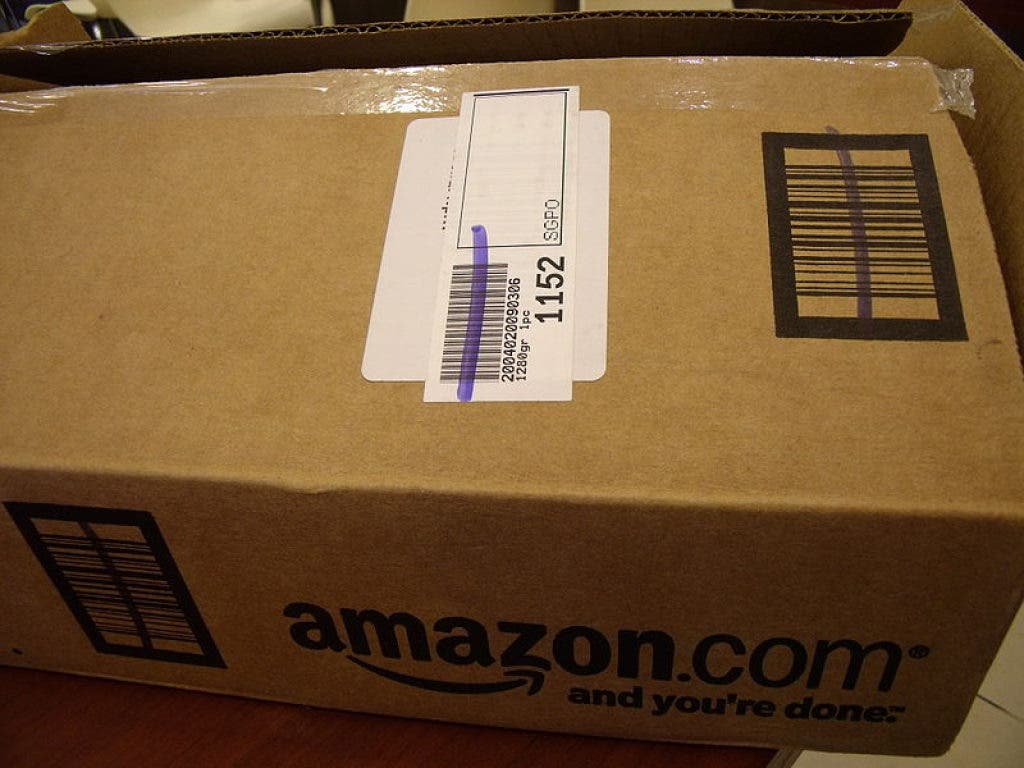
If you've got items sitting in your Amazon shopping cart that you've not yet purchased, you might want to consider moving into the checkout line.
In a little less than two weeks—September 15 to be exact—Amazon will begin charging sales tax on purchases for California residents.
Up to now, buying online at Amazon.com saved customers money; no sales tax was collected.
Find out what's happening in Cupertinowith free, real-time updates from Patch.
But state lawmakers in California—a state which desperately needs cash—reached an agreement last year with online retailers, including Amazon, who agreed to begin collecting a sales tax in September. Those sale tax funds will be returned to the state.
According to the LA Times, about half of the projected $316 million raised in the first full year—and put into state coffers—is expected to come from merchandise sold by Amazon.
Find out what's happening in Cupertinowith free, real-time updates from Patch.
The agreement between Amazon and California may not last long. The Orange County Register reports that the agreement between the two parties was primarily a compromise meant to get a year's reprieve in collecting the tax in exchange for promises to add jobs and distribution centers in California.
Increased prices for online purchases is welcome relief for brick-and-mortar stores, who feel the playing field for customers will be a bit more level.
CNNMoney says Amazon already charges sales tax in six states: Kansas, Kentucky, New York, North Dakota, Texas and Washington. Pennsylvania will join California in sales tax charges in September. New Jersey, Virginia, Indiana, Nevada, Tennessee and South Carolina are all expected to collect state sales taxes from online retailers within the next few years, adding millions to state accounts.
States estimate they lose $23 billion in annual sales taxes, some $11.5 billion of it from online purchases, according to the National Conference of State Legislatures.
Meanwhile, Seattle-based Amazon has been expanding its physical presence in California, according to the SF Chronicle. The Chronicle says that in June, it leased 83,000 square feet just south of San Francisco's Financial District.
And in Sunnyvale, according to the Chronicle, "Amazon is reportedly close to signing up for close to 600,000 square feet at the partially completed Moffett Towers complex to house its Lab 126 subsidiary, currently in Cupertino. The lab is where the Kindle and other "easy-to-use, highly integrated consumer products" (including an Amazon smartphone) are being developed."
Amazon is also expected to open two California fulfillment centers that will employ at least 1,000 workers each in San Bernardino and Patterson.
If you're interested in applying for those jobs, Amazon has set up a website to receive applications.
Get more local news delivered straight to your inbox. Sign up for free Patch newsletters and alerts.


